
Blog
Surmai Fish Nutrition Facts: A Detailed Analysis

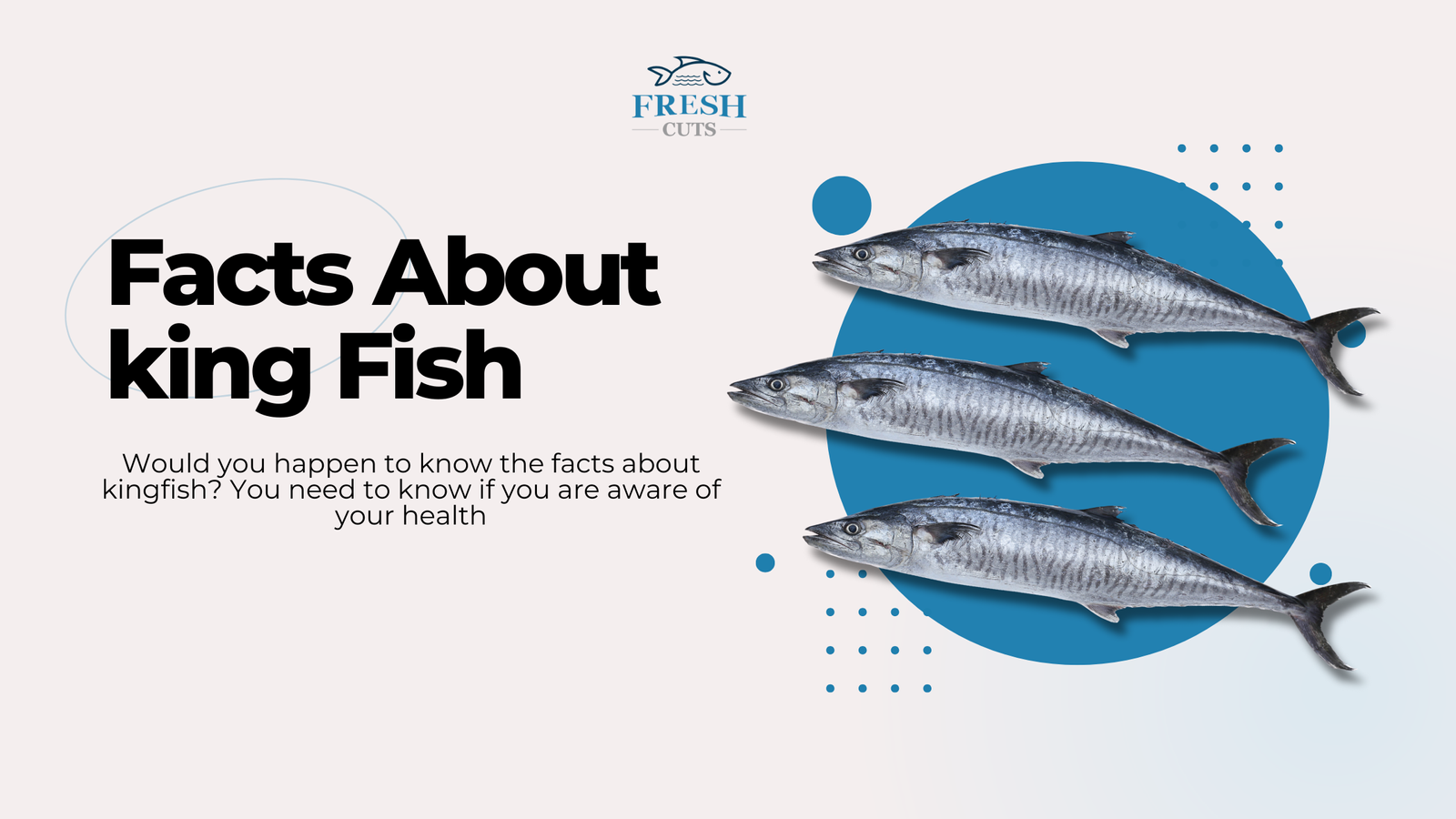
Surmai fish, commonly known as King Mackerel or Seer Fish, is one of the most popular marine fish consumed across Pakistan, India, and coastal regions of South Asia. Valued for its firm texture, rich flavor, and versatility in cooking, surmai is often considered a premium table fish.
From a nutritional perspective, surmai is a high-protein, micronutrient-dense seafood, but it also comes with important consumption considerations, particularly related to mercury content. This article provides a detailed, research-based breakdown of surmai fish nutrition, using a single authoritative source: USDA FoodData Central, so readers get clear, reliable, and standardized information.
Nutrition Facts for Surmai Fish (Raw)
Below is a visual Nutrition Facts label styled after FDA standards, based on the USDA FoodData Central entry for “Fish, mackerel, king, raw”.
All values are given per 100 grams of raw edible portion.
Nutrition Facts
Key Health Benefits of Surmai Fish
1. High-Quality Lean Protein
Surmai Fish provides over 20 grams of complete protein per 100 grams, making it an excellent option for:
- Muscle maintenance
- Post-workout recovery
- High-protein diets
It contains zero carbohydrates, which suits low-carb and diabetic-friendly meal planning.
2. Extremely Rich in Vitamin B12
One serving of surmai delivers many times the recommended daily intake of vitamin B12, a nutrient essential for:
- Brain and nerve function
- Red blood cell production
- Energy metabolism
This makes surmai especially valuable for individuals with low B12 intake from plant-based diets.
3. Omega-3 Fatty Acids (EPA & DHA)
Surmai contains moderate levels of omega-3 fatty acids, primarily DHA. Omega-3s support:
- Heart health
- Brain function
- Anti-inflammatory processes
Although surmai contains omega-3s, it is not the highest omega-3 fish compared to sardines or salmon.
4. Selenium and Potassium Support
- Selenium contributes to antioxidant defense and thyroid health
- Potassium supports blood pressure regulation and muscle function
These minerals add to surmai’s overall nutrient density.
Best Ways to Cook Surmai Fish in Pakistan (Nutrition-Friendly Tips)
In Pakistani households, surmai is commonly fried or cooked in curry. However, for better nutrition, the following methods are recommended:
- Pan-fry with minimal oil
- Grill or BBQ
- Light masala curry prepared without excess oil
Avoid daily deep frying, as it reduces the health benefits.
Tip: Surmai cooks quickly due to its firm flesh. Overcooking can make the meat tough and dry.
Mercury Warning – Very Important for Pakistan
Surmai (King Mackerel) falls into the high-mercury fish category.
Who Should Avoid Surmai?
- Pregnant women
- Breastfeeding mothers
- Infants and young children
For Healthy Adults
- Limit consumption to 1–2 times per month
- Avoid daily or weekly intake
- Maintain variety in fish consumption
Safer & Commonly Consumed Fish Options in Pakistan
Tilapia – Farmed, affordable, and low in mercury
Tarli / Tarli Machli (Sardines) – Low mercury and rich in omega-3 fatty acids
Rohu – Widely consumed freshwater fish across Pakistan
Pomfret – Popular in coastal cities; contains moderate mercury levels
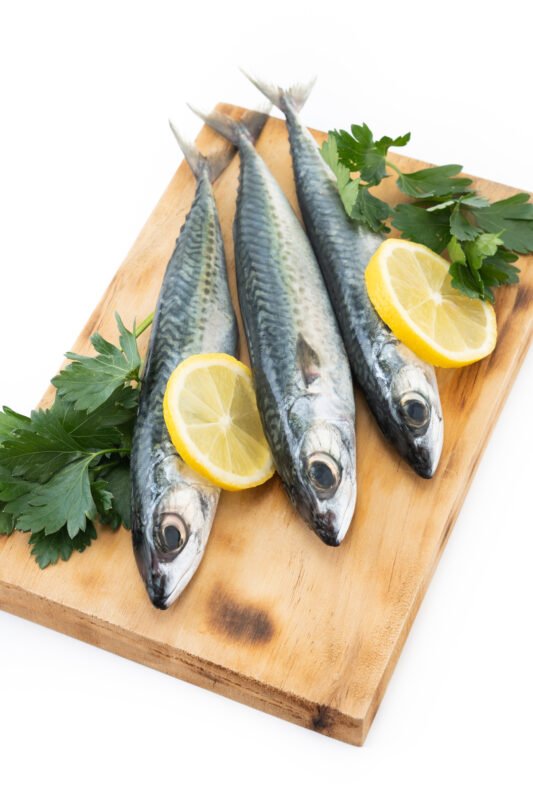
Singhara / Indian Mackerel – Smaller mackerel species and safer than surmai
Trout – Available in northern regions; highly nutritious
Final Verdict: Is Surmai Fish Healthy?
Yes, surmai is rich in protein, vitamin B12, and essential minerals.
However, due to its high mercury content, it should not be consumed daily or in large quantities.
Best Approach for Pakistan:
- Consume surmai occasionally
- Make low-mercury fish a regular part of your diet
This way, you can maintain a healthy balance between taste and nutrition.